
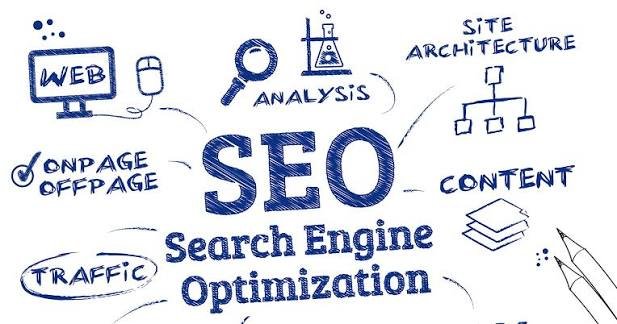
Search Engine Optimization (SEO) is the process of improving a website so that it can appear higher in search engine results when people search for relevant information, products, or services. SEO helps businesses increase organic traffic, improve online visibility, and reach potential customers without relying only on paid advertising.
Whether you are a beginner, student, business owner, or digital marketer, understanding what is Search Engine Optimization is an important part of learning digital marketing.
SEO mainly focuses on:
- Improving website visibility
- Attracting organic traffic
- Targeting relevant keywords
- Creating useful content
- Improving website experience
- Building website authority
- Helping search engines understand website content
Simply put, SEO helps the right people find your website through search engines.
Why Is SEO Important?
Today, people use search engines to find almost everything—from products and services to tutorials, businesses, and answers to questions.
A strong SEO strategy can help a website reach these users at the moment they are searching.
1. Increases Organic Traffic
SEO can help websites receive visitors from unpaid search results. When your pages rank for relevant keywords, more people may discover your website.
2. Improves Online Visibility
A website appearing prominently in search results can increase brand awareness and visibility.
3. Helps Reach the Right Audience
SEO focuses on relevant search queries and keywords. This allows businesses to target people who are already interested in their products, services, or information.
4. Builds Trust and Credibility
Websites that consistently provide useful, reliable, and well-organized information can build credibility with both users and search engines.
5. Supports Long-Term Growth
Unlike some short-term advertising campaigns, well-maintained SEO content can continue attracting organic visitors over time.
How Does SEO Work?
Search engines use automated systems to discover, understand, and organize web pages. When someone searches for something, the search engine attempts to show results that are useful and relevant to that query.
SEO helps search engines better understand your website by improving different elements such as:
- Content
- Keywords
- Page structure
- Internal links
- Website performance
- Mobile usability
- Technical setup
- External references and links
- Overall user experience
The goal is not simply to add as many keywords as possible. Modern SEO focuses on creating helpful, relevant, and high-quality content for users.
Main Types of SEO
SEO can be divided into several important areas.
1. On-Page SEO
On-page SEO refers to optimizing elements within your website.
Common on-page SEO activities include:
- Keyword optimization
- Creating useful content
- Optimizing title tags
- Writing effective meta descriptions
- Using proper headings
- Optimizing images
- Improving URLs
- Adding internal links
- Improving content readability
For example, if your page is about SEO keyword research, naturally using relevant terms such as “SEO keyword research,” “keyword research tools,” and “how to find SEO keywords” can help search engines understand the topic.
2. Off-Page SEO
Off-page SEO involves activities outside your website that can help improve its authority and reputation.
Some common off-page SEO activities include:
- Earning backlinks
- Digital PR
- Brand mentions
- Content promotion
- Business listings
- Relevant industry citations
Quality is more important than simply obtaining a large number of links. Links and mentions from relevant, trustworthy sources can be more valuable than large numbers of low-quality links.
3. Technical SEO
Technical SEO focuses on the technical aspects of a website that affect search engine crawling, indexing, and user experience.
Important technical SEO factors include:
- Website speed
- Mobile usability
- Site architecture
- XML sitemaps
- Robots.txt
- HTTPS
- Canonical URLs
- Structured data
- Crawlability
- Indexability
- Core Web Vitals
A technically healthy website makes it easier for search engines to discover and understand its pages.
What Are SEO Keywords?
SEO keywords are words or phrases that people type into search engines when looking for information, products, or services.
For example:
- Digital marketing in Kerala
- Best digital marketer in Kerala
- SEO services in Calicut
- What is SEO?
- SEO keyword research
- Digital marketing courses in Kerala
Keyword research helps marketers understand what their target audience is searching for.
Types of Keywords
Some common keyword categories include:
Short-tail keywords:
Usually broad phrases containing fewer words, such as “SEO”.
Long-tail keywords:
More specific search phrases, such as “how to do SEO for a small business website.”
Informational keywords:
Used when someone wants to learn something, such as “what is Search Engine Optimization?”
Commercial keywords:
Used when someone is researching products or services, such as “best SEO agency in Kerala.”
What Is SEO Keyword Research?
SEO keyword research is the process of finding and analyzing search terms that your target audience uses on search engines.
A basic keyword research process includes:
- Identify your target audience.
- Find relevant topics.
- Generate keyword ideas.
- Analyze search intent.
- Check search volume and competition.
- Select relevant keywords.
- Create content around those keywords.
- Monitor performance and update content.
Good keyword research helps you create content that matches what people actually want to find.
Common SEO Mistakes to Avoid
Beginners often make several SEO mistakes.
1. Keyword Stuffing
Using the same keyword repeatedly can make content difficult to read and may create a poor user experience.
2. Creating Low-Quality Content
Publishing content only for search engines instead of helping users can reduce its value.
3. Ignoring Search Intent
A page may target the correct keyword but still perform poorly if it does not answer what the searcher actually wants.
4. Ignoring Mobile Users
Your website should provide a good experience across different screen sizes.
5. Forgetting Technical SEO
Slow pages, broken links, indexing problems, and poor site structure can affect search visibility.
6. Buying Low-Quality Backlinks
Trying to manipulate rankings through poor-quality or spammy links can create SEO risks.
SEO Tools for Beginners
Several tools can help with SEO research and website optimization.
Some commonly used tools include:
- Google Search Console
- Google Analytics
- Google Trends
- Google Keyword Planner
- Semrush
- Ahrefs
- Screaming Frog
- PageSpeed Insights
The right tool depends on your SEO goals, website size, budget, and experience level.
Frequently Asked Questions About SEO
1. What is Search Engine Optimization in simple words?
Search Engine Optimization is the process of improving a website so that it can become more visible in organic search results and attract relevant visitors.
2. Why is SEO important?
SEO helps websites improve organic visibility, attract relevant traffic, build online credibility, and support long-term digital growth.
3. Is SEO free?
Organic SEO does not require paying a search engine for every click. However, SEO requires time, skills, content creation, tools, and ongoing optimization.
4. How long does SEO take to work?
SEO results vary depending on factors such as competition, website quality, content, authority, technical issues, and the search terms being targeted. SEO generally requires consistent effort rather than expecting immediate results.
5. Is SEO still important?
Yes. Search remains an important way for people to discover information, businesses, products, and services. SEO continues to evolve as search engines and user behavior change.
Final Thoughts
Search Engine Optimization (SEO) is an important part of digital marketing that helps websites become more visible in organic search results. From keyword research and content creation to technical SEO, local SEO, and link building, successful SEO involves many different activities.
For beginners, the best approach is to focus on creating helpful, relevant, trustworthy, and user-friendly content while continuously improving the technical and overall quality of the website.
If you are learning digital marketing, understanding what is Search Engine Optimization, how SEO works, and how to apply basic SEO techniques is a strong starting point for building your digital marketing skills.